Self Reliance
S elf-Reliance - this word maybe misleading, particularly where adults are tempted to want their children to manage their daily activities without any help.
Self reliance is the confidence that the child has ---- “I can do it” and “if I get stuck, I can ask for help.”
All children need parental support because in the early months they cannot look after themselves. It is surprising and impressive how the normal children want to use their physical skill and feel a part of what happens, whereas the Special Children need a lot of prompting and repeated training to do the same.
The Special Educator at MEHATVA supports these children by encouraging them without pushing for perfection. It starts at an early stage called “Early Intervention”.
Within the first five years, young children are able to take an active part in their daily living activities that leads them to be independent by,
- managing their own toileting and personal hygiene (the physical skills) and the intellectual skill being remembering and following the sequence.
- feeding themselves - handling liquids and improving their fine motor activities.
- dressing and undressing- expressing preference, making choice
- taking appropriate responsibility within their surroundings.
- taking part in domestic activities, like helping in routine daily tasks.
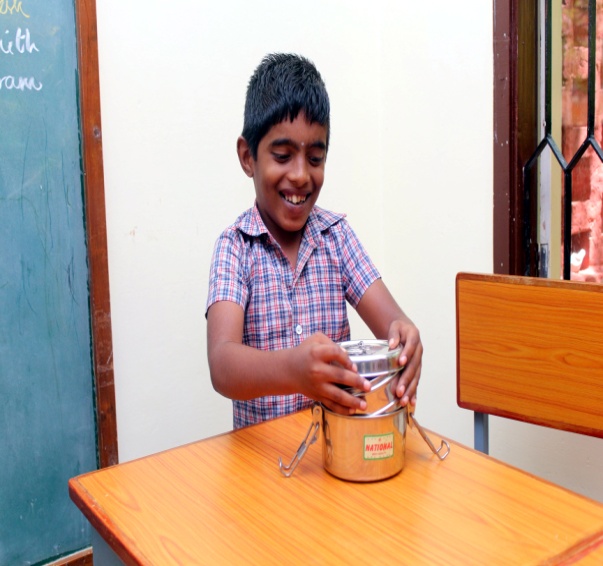
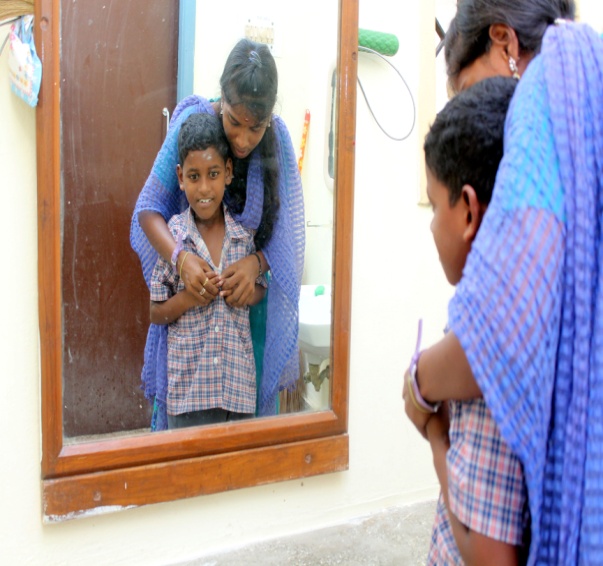
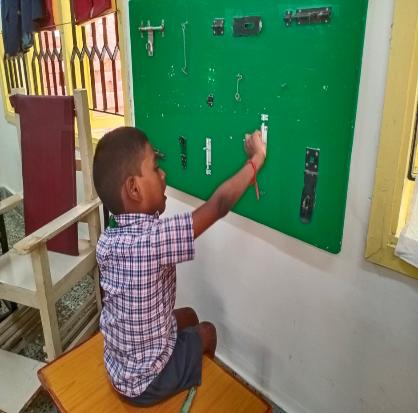
Special education training at MEHATVA helps to improve self reliance
- By supporting young children's cognitive development skills-To carry out daily routines, a child often needs to recall steps in a simple sequence. We can help them by asking, 'What do you do next?'
- By helping children to make choices about what food they want to eat, or which way to turn on a local outing, thereby encouraging communication as well.
- By being generous with encouragement, saying enthusiastically, ”Well done, you got your pencil” or 'You found another spoon – you can do it'.
- By helping the children to be pleased about what they have managed to do and avoid discouraging approach. For the same, Special Educators give primary, social and secondary rewards.
- By being patient and giving children time as their self help skills with daily routines takes longer time and may not be done to a normal child’s standards.
- By training in household activities so that children are helpful to the members of the family and have a sense of contributing to the family chores.
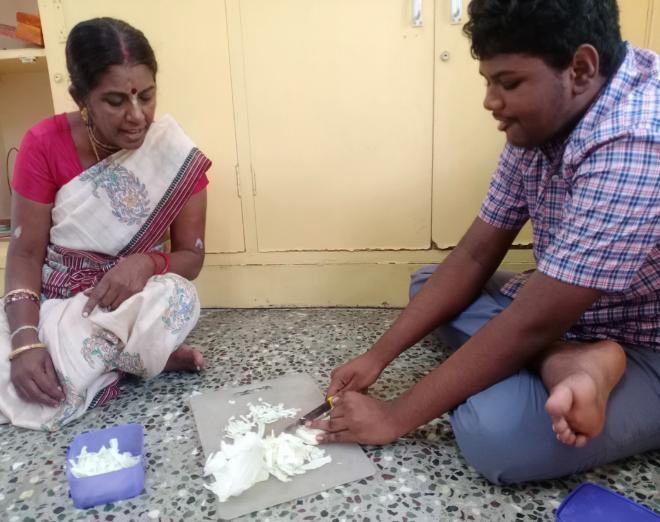
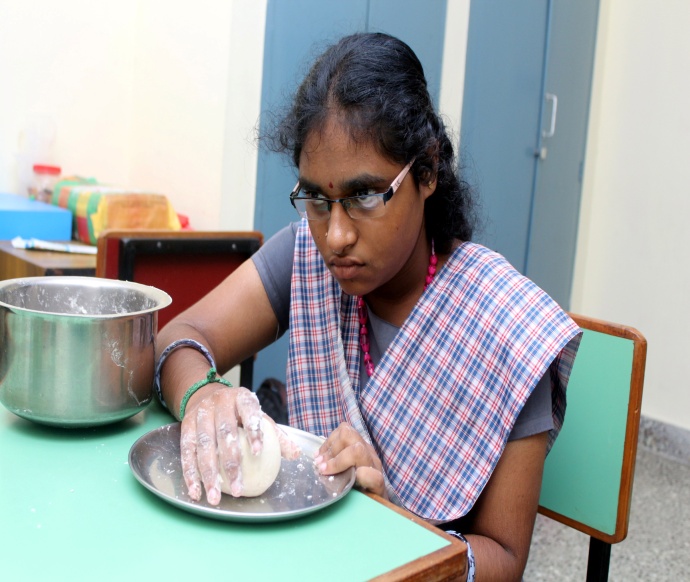
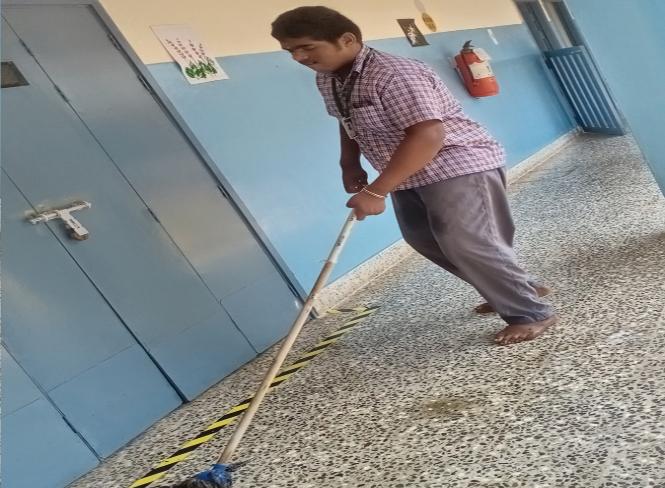
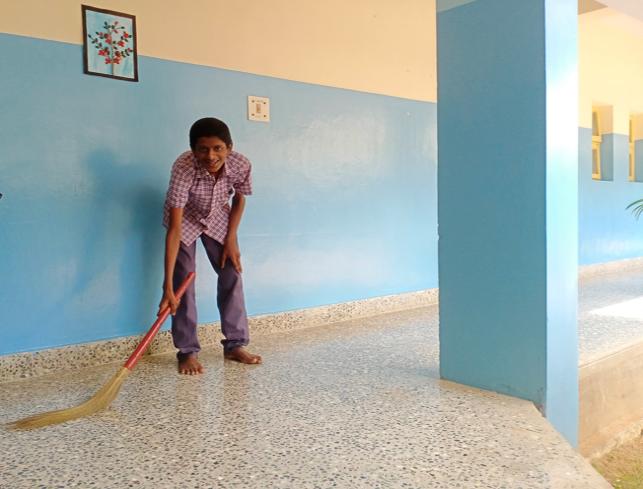
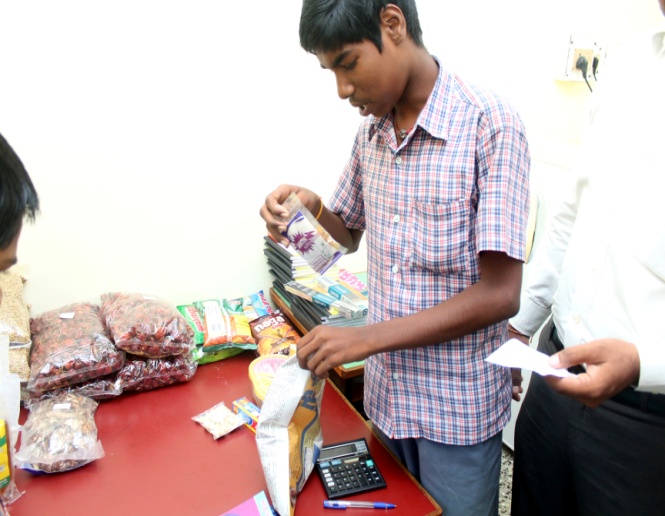
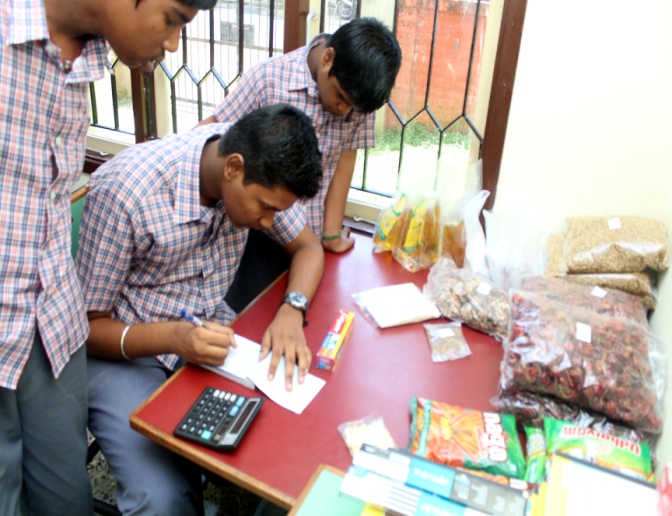
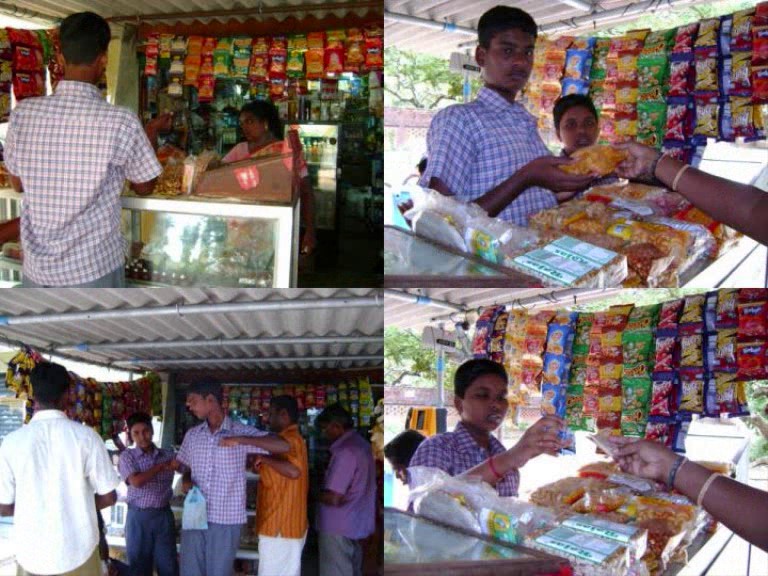
As a result of continued training, MEHATVA children have taken a huge step towards self reliance by running a provision store with minimum assistance from the special educators.